
Back in 2012, freelance platforms were a completely different territory. When I started out on oDesk, remote work felt like a true meritocracy. Clients were looking for dedicated talent, developers were competing on craft, and the platform maintained a high bar for quality work.
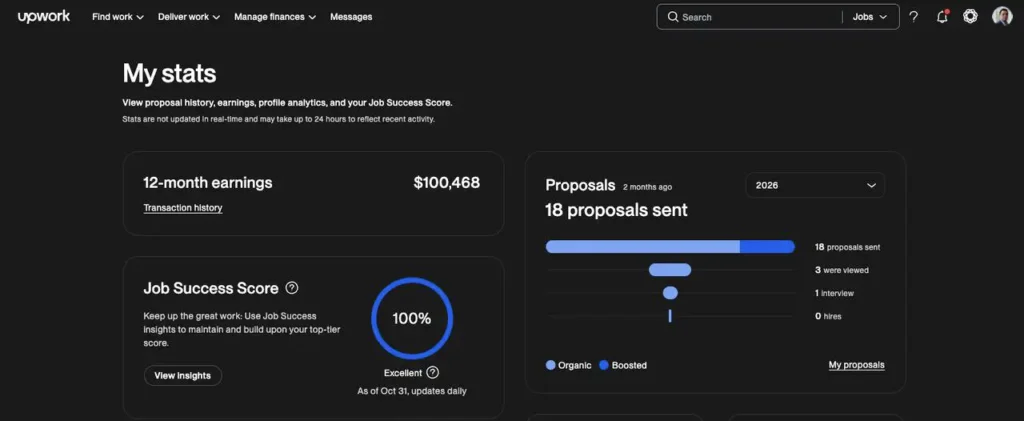
I stayed through the major industry shifts—watching the December 2013 merger of oDesk and Elance, and navigating the eventual transformation into Upwork in 2015. But after over a decade on the platform, I am officially closing my Upwork account.
Here is what went wrong with the world’s largest remote work marketplace, and why seasoned web engineers are moving on.
1. The Early Days: Meritocracy over Volume
When oDesk was in its prime, the platform felt direct and uncluttered. Global talent pools were growing, but the bidding landscape was still anchored by professionals who understood scope, architecture, and fair compensation. Bids were thoughtful, clients prioritized experience, and quality code was rewarded.
2. The Flood of Low-Ball Bidding and “$5/hr” Rates
Fast forward to current platform dynamics, and the ecosystem has fundamentally degraded. The feed is dominated by low-ball bidding and non-coders racing to the bottom with $5/hour proposals for complete web applications.
When untrained freelancers bid single-digit hourly rates on complex web development tasks, it signals two distinct issues:
- Unrealistic Client Expectations: Clients begin expecting enterprise-grade custom engineering, accessibility standards, and secure code for pennies on the dollar.
- Commoditization of Code: Low-ball bids flood job posts within seconds, burying seasoned developers under a mountain of copied proposals.
3. Monetization of the Bidding Process
The platform’s transition from connecting talent with clients to extracting revenue from the bidding process itself changed the mechanics of finding work. Charging freelancers high “Connect” fees just to submit proposals creates a pay-to-play environment. When serious engineers have to pay significant fees simply to bid alongside dozens of bot-generated or low-cost proposals, the platform model ceases to serve true technical talent.
Moving On: Direct Relationships and Proven Technical Skill
Leaving a platform after 14 years isn’t a quick decision, but it’s a necessary step. Proven technical skills in web architecture, full-stack engineering, and custom UX design no longer need to be auctioned off in a crowded, race-to-the-bottom marketplace.
The shift moving forward is direct client acquisition, long-term technical partnerships, and building software on your own terms. The platform era provided a launchpad, but establishing direct reputation and delivering high-value web applications remains the real key to longevity.